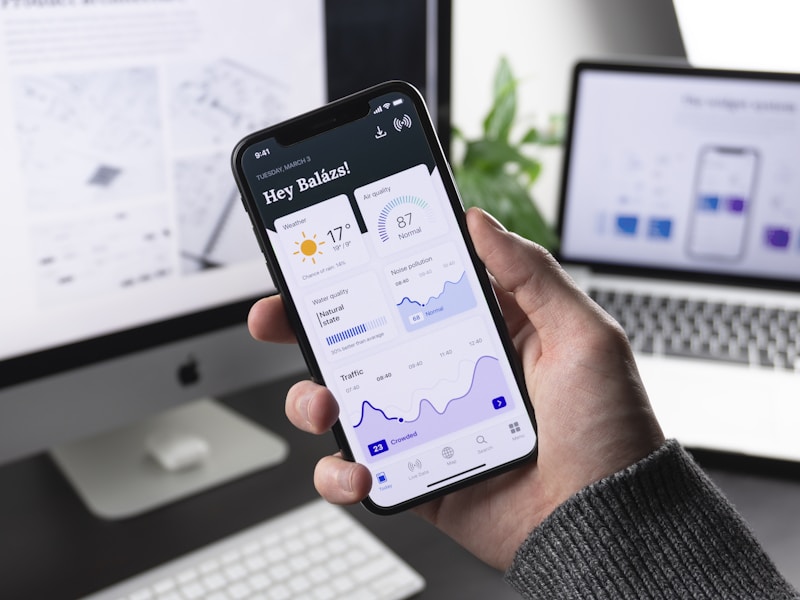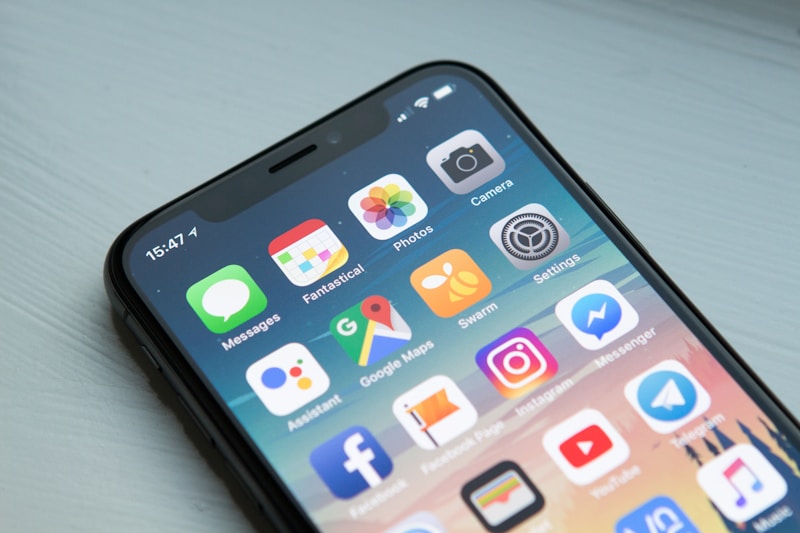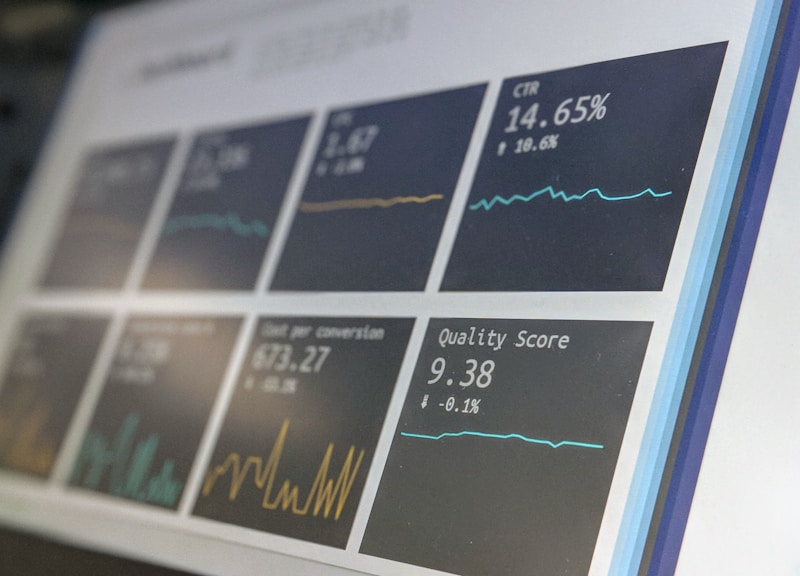
Every year the story gets clearer: users spend more time in apps and less time in browsers. The 2026 data confirms the trend is accelerating, not plateauing.
Key Statistics
- App time vs. browser time: Users spend 88% of their mobile time in native apps, up from 85% in 2023
- Average apps used daily: 9–10 apps, but users spend 90% of app time in their top 5
- App downloads: Global downloads exceeded 250 billion in 2025
- Mobile commerce: 73% of e-commerce transactions now happen on mobile, with apps converting 3x higher than mobile web
What This Means for Publishers
The numbers have a stark implication: if your content only exists in a browser, you’re competing for 12% of your readers’ mobile time. The other 88% is spent in native apps.
This doesn’t mean browsers are dying. It means browsers have become a discovery channel — users find content via search or social, consume it once, and leave. Apps are where habitual, return-visit behavior lives.
The Publisher App Gap
Large publishers — The New York Times, ESPN, BBC — have long had native apps with millions of active users. But the vast majority of mid-size and independent publishers still rely exclusively on mobile web. The gap isn’t because their audiences don’t want apps. It’s because building a native app was historically too expensive.
That cost barrier is disappearing. Platforms like PressNative make it possible for any WordPress publisher to have a native presence on the same app stores as the industry giants.
The Engagement Divide
Research consistently shows that app users are more engaged than mobile web users by every metric: session duration, pages per session, return visit rate, and conversion rate. For ad-supported publishers, this translates directly to revenue. For community-driven sites, it translates to loyalty.
The question for publishers in 2026 isn’t “should we have an app?” It’s “how long can we afford not to?”